Sunday, January 10, 2021

Migraines and the Efficacy of Massage Therapy and Traditional Chinese Medicine


75% of adults ages 18-65 have reported experiencing a headache in the last year. 14.7% of the world population suffers from migraines, typically one a month. 2% suffer from chronic migraines, suffering 15+ days per month. Women are three times more likely than men to be afflicted. While headaches are common and tolerable, not affecting daily life, migraines are deeply misunderstood. The suffering is invisible, left at home, the afflicted cancelling plans last minute, calling out of work, remaining isolated for hours or even days. For those not understanding migraines, the thought of staying home from work or cancelling on friends for a mere headache seems like a cop out or of weak constitution. The misunderstanding is that a migraine is just another word for headache, synonymous in meaning, which couldn’t be further from the truth.


Migraine is defined by the Mayo Clinic as a severe throbbing pain or pulsing sensation, often presented on one side of the head (usually the left), and may be accompanied by nausea, vomiting, sensitivity to light and sound. They can last for hours or even days, with pain so severe it interferes with daily life. Four typical phases have been identified:


Phase 1 - Prodrome: warning signs up to 72 hours before a migraine hits, include severe exhaustion, hyperactivity, difficulty concentrating, food cravings, sleepiness, and/or neck pain;


Phase 2 - Aura: visual disturbance reported in 33% of those suffering from migraines and may last from 20-60 minutes. Vision may be interrupted by sparkly spots, zigzag lines, or tunnel vision; can present in vertigo, ear ringing, or temporary paralysis on one side of the body; pins and needles sensation in face, hands, arms or legs;


Phase 3 - Migraine Attack: throbbing, piercing, or pulsating, difficult to manage the pain with medication; sensitivity to light, sound, smell; nausea and vomiting; can occur over hours or days;


Phase 4 - Postdrome: recovery period in which the afflicted may feel exhausted, sluggish, confused, and/or depressed.


The cause behind migraine is fairly unclear, however, it is generally accepted that genetics and environmental factors play a role. Although previously considered a vascular issue, migraine is actually a neurological disease. Leading research focuses on interactions with the trigeminal nerve (a major pain pathway) or imbalances in brain chemicals (like serotonin) to try to find a cause. Triggers include: 

  • hormonal changes in women, 
  • drinks: alcohol, too much caffeine
  • stress
  • sensory stimuli: bright lights, sun glare, loud sounds, strong smells 
  • sleep changes: lacking sleep, too much sleep, jet lag
  • physical exertion
  • weather changes/barometric pressure
  • medications: oral contraceptives, vasodilators
  • foods: types of food eaten or the lack of food/skipping a meal
  • food additives: ex. aspartame


Traditional Chinese Medicine (TCM) views the cause of migraines either an environmental invasion of external wind, cold, heat, dampness (i.e. sitting directly in the fan of frigid air-conditioning) or poor lifestyle creating imbalances of the body’s vitals (i.e. poor sleep, high stress) (Quek). There are five types of migraine, according to TCM:

“1. Liver-Yang Aggression: Pulsaing/throbbing headaches triggered by heat, stress or foul temper, dizziness and confusion, dry mouth, insomnia, painful and itchy eyes, yellowish urine. 

2. Stagnant Blood: Localized sharp piercing pain with throbbing sensations, painful when pressed on even when not going through a migraine attack, dry mouth in the night, dried and flaky skin, sharp pains in the eyes. 

3. External Wind and Cold: Headaches triggered by cold or dry air, mild dizziness, stiff neck, aversion to cold environment, pain alleviated by a hot compress. 

4. Liver-Qi Stagnation: Expanding, throbbing headaches, triggered by stress or negative emotions, depression, mood swings, breathlessness, loss of appetite. 

5. Phlegm Blockage: Heavy and pulsating headaches, extreme dizziness and sleepiness, nausea and vomiting, blurred vision, indigestion, reduced urination, irregular bowel movements.” (Quek)


TCM suggests treating migraine with acupuncture, typically most effective in the middle of an episode, but also effective at the prodrome or aura stages. TuiNa, especially for those with an aversion to needles, is effective for all stages of migraine and help with migraine prevention and symptom reduction. Scraping, to remove myofascial trigger points. And herbal medication, for all stages, to help alleviate symptoms.


Because TCM treats the person as an individual, there isn’t one single diagnosis. Western medicine has options for injections and medications, both prescription and over-the-top, to assist with oncoming attacks, during attacks, and the prevention of attacks. Research is still developing, and as with TCM, there is no one size fits all treatment in Western medicine. 


SOURCES

“Facts and Figures.” The Migraine Trust, 5 July 2019, www.migrainetrust.org/about-migraine/migraine-what-is-it/facts-figures/. 

Golden, Katie M. “Tackling Migraines Head-On: Massage Therapy Journal.” American Massage Therapy Association, 23 May 2017, www.amtamassage.org/publications/massage-therapy-journal/tackling-migraines-head-on/. 

“Migraine.” Mayo Clinic, Mayo Foundation for Medical Education and Research, 16 Jan. 2020, www.mayoclinic.org/diseases-conditions/migraine-headache/symptoms-causes/syc-20360201. 

“People with Migraine Endure More Social Stigma than Those with Asthma.” American Headache Society, 16 Feb. 2016, americanheadachesociety.org/news/people-with-migraine-endure-greater-social-stigma-than-those-with-asthma-same-as-those-with-epilepsy-or-panic-disorder-2/. 

Quek, Ardy. “Migraine 101 - Causes & TCM Treatments.” PULSE TCM, 28 Oct. 2020, www.pulsetcm.sg/migraine-101-causes-and-tcm-treatments/#:~:text=There%20are%20two%20causes%20of,head%20and%20triggering%20migraine%20episodes. 


images: 

https://americanmigrainefoundation.org/resource-library/can-headaches-worsen-in-number/

https://migrainebuddy.com/migraine/2018/9/27/the-stages-of-a-migraine-migraine-attack

https://sofiatrends.com/?s=headacheno,%20headache%20relief,%20tension%20headaches.html

Saturday, January 9, 2021

Massage Therapy and HIV/AIDS: An Approach from Eastern and Western Medicine Perspective


HIV/AIDs and Massage Therapy: Western and Eastern Traditional Chinese Medicine Approaches.

HIV-Human Immunodeficiency Virus. Uncopyrighted photo, obtained via internet open source

A client comes into your office for massage therapy and discloses to you that they have HIV or AIDS. What does a massage therapist do when presented with a client with HIV or AIDS?

Let’s start with the basics. What is HIV/AIDS? Human Immunodeficiency Virus (HIV) gradually destroys the immune system by attacking and destroying a type of white blood cell called a CD4 cell. CD4 cells play a major role in protecting the body from infection. T cells originate in the bone marrow and mature in the thymus. In the thymus, T cells multiply and differentiate into Helper, regulatory, or Cytotoxic T  cells or become memory T cells. HIV virus attaches itself to a Helper T-cell and fuses with it. It then takes control of the cell’s DNA, makes copies of itself inside the cell, and finally releases more HIV virus into the blood. HIV will continue to multiply and spread throughout the body. The amount of HIV cells circulating in the body is detected via a blood test to count the number of CD4 Helper T Cells with HIV viral DNA. 

There are three stages to an HIV infection; Stage 1, Acute infection, Stage 2 Clinical Latent infection, and Stage 3, Acquired Immunodeficiency Syndrome (AIDS).

Stage 1: Acute HIV infection. Within 2 to 4 weeks after infection with HIV, about two-thirds of people will have a flu-like illness. This is the body’s natural response to HIV infection. Stage 1 fly-like symptoms can include: fever chills, rash, night sweats, muscle aches, sore throat, fatigue, swollen lymph nodes, and mouth ulcers. These symptoms can last anywhere from a few days to several weeks. However, some people do not have any symptoms at all during this early stage of HIV infection. 

Stage 2: Clinical Latency. In this stage, the virus still multiplies, but at very low levels. People in this stage may not feel sick or have any symptoms. This stage is also called chronic HIV infection. Without HIV treatment, people can stay in this HIV latent clinical stage for 10 or 15 years some move through this stage faster.

Stage 3: AIDS. Anyone with an HIV infection and not on HIV treatment, eventually, the virus will weaken the body’s immune system and progress to AIDS (Acquired Immunodeficiency Syndrome). This is the late stage of HIV infection. Symptoms of AIDS can include: rapid weight loss, recurring fever or profuse night sweats, extreme and unexplained tiredness, prolonged swelling of the lymph glands in the armpits, groin, or neck. Diarrhea that lasts for more than a week.  Other symptoms may include: sores of the mouth, anus or genitals; pneumonia; red, brown, pink or purplish blotches on or under the skin or inside the mouth, nose or eyelids; memory loss, depression, and other neurologic disorders. Many of the severe symptoms and illnesses of HIV disease come from the opportunistic infections that occur because the body’s immune system has been damaged. 

[HIV/AIDS Signs and Symptoms. uncopyrighted photo obtained via internet open source]


 Western Treatment for HIV AIDS:

As a massage therapist, it is helpful to know how HIV /AIDS is treated by western medicine as it may affect the approach you use on your clients. The goal of treatment is to limit or decrease the HIV viral load. HIV medicine should be taken every day, exactly as prescribed, it can achieve an undetectable viral load. An undetectable viral load means there is effectively no risk of transmitting HIV to sexual partners. However, if viral load is detectable, then HIV can be transmitted sexually during this stage, even with no symptoms. Treatment for HIV is called antiretroviral therapy (ART). ART involves taking a combination of IV medicine (called an HIV treatment regimen every day). ART is recommended for everyone who has an HIV infection, whether they have symptoms or not and irrespective of how long they have been infected.

Antiretroviral therapy (ART) prevents the virus from multiplying, which reduces the amount of HIV in the body. This gives the immune system a chance to produce more CD4 Helper T cells. Although antiretroviral therapy cannot completely remove HIV from the body, it keeps the immune system strong enough to combat the infections and some HIV-related concerns. The aim of antiretroviral therapy is to reduce the amount of HIV in the blood to very-low levels. Viral suppression occurs when the count reaches fewer than 200 copies of the virus per milliliter(mL) of blood.

ART drugs can have adverse effects and newer drugs tend to cause fewer and less severe side effects. Some possible side effects of antiretroviral therapy include: headache, nausea and vomiting, diarrhea, fatigue, difficulty sleeping, a dry mouth, a rash, dizziness, and pain.

Massage Indications/Contraindications:

Massage Indications: for patients with HIV/AIDS symptoms massage can help to decrease pain by providing relief from; cramping, body tension, muscle spasm, and inflammation. Massage therapy in general also increases blood flow, thus naturally assist in removing toxins as it increases oxygen to the affected areas of the body.

Massage Contraindications: None. Other than following established Bloodborne Pathogen Guidelines established by the OSHA, massage therapy is not contraindicated in clients with HIV/AIDS.

Universal Precautions for Massage Therapy of HIV/AIDS clients:

HIV is transmitted through contact with fluids during sexual activity, sharing needles, breastfeed, or contact with blood. Casual physical contact presents very little, if any, risk of exposure to the HIV virus, making massage therapy safe for the practitioner, so long as they follow basic safety precautions long established in the profession and in accordance with state and local laws.

So how do I proceed as a massage therapist when working with my HIV/AIDS clients?

Don’t touch open sores, cuts or scrapes on HIV/AIDS clients.  Avoid working over rashes or any other condition where the skin is broken. Cover any open sores on your own hands or use vinyl gloves in the event you have a large cut or sore on your own hands. However, latex gloves are not effective for blood borne pathogen protection during massage, as the oils commonly used may break down the latex.

What is the most likely symptom of HIV/AIDS that I will encounter in my massage therapy practice?

You will most likely encounter a client who has AIDS experiencing purple blotches as raised patches over their bodies. This is not a rash; it is called Kaposi's Sarcoma. It is a cancer of the blood capillaries throughout the body, that manifests as purple spots or brown blotches under the skin. It is not contagious and there are no other precautions to take, other than Universal Precautions, when massaging a client with this condition.

[Kaposi's Sarcoma in AIDS patient. uncopyrighted image obtained on internet open source]

Traditional Chinese Medicine (TCM) Treatments for HIV/AIDS:

So, what does the TCM Eastern world have to say about HIV/AIDS? Traditional Chinese Medicine has been used since the early 1980s in the US to treat HIV/AIDS conditions such as headache, fatigue, aching muscles, sore throat, swollen lymph glands, diarrhea, nausea and vomiting. Short-term benefits sucha as increased energy level, improved sense of well-being, weight gain and decreased stress levels are also experienced by many who use acupuncture and herbal therapy. Compared to current treatments offered by Western Medicine, acupuncture and Chinese herbal medicine are reported to be less costly, less toxic and have fewer negative side effects.


Acupuncture for HIV/AIDS treatment: Acupuncture has been shown to raise levels of endorphins, antibodies and white blood cell levels, such as CD4 T cell levels; thereby, increasing the body’s level of immunity in HIV/AIDS clients.


Traditional Chinese Medicine Herbs for HIV/AIDS treatment: Chinese herbs with antiviral and immune-enhancing characteristics can improve the quality of life for many patients by reducing the potency of  the HIV/AIDS virus, strengthening the immune system, treating opportunistic infections and reducing the side effects of western antiretroviral medication.


[Schisandraceae, dried, uncopyrighted photo obtained via internet open source]

[Schisandraceae plant. uncopyrighted photo obtained via internet open source]

 Chinese Herb Schisandraceae: widely used in Traditional Chinese Medicine for 2,000 years, has shown promise in treating HIV/AIDS, according to a 20-year-long study led by the Kunning Institute of Botany of the Chinese Academy of Sciences. Notably, several derivatives of the herb’s lignin, which is the compound extracted from the leaves and stems of the woody vine plant, have strong anti-HIV properties and low toxicity, according to Sun Hondona, an academician at the Chinese Academy of Sciences who led the research.

Since 2004, China has treated more than 27,000 sufferers of HIV/AIDS with TCM treatment. Studies found that with a combination of mainstream antiretroviral therapy and TCM treatment, the patients benefitted in particular by experiencing boosted immunity.

Bottom Line:

HIV/AIDS infection treatment has come a long way. People experiencing HIV or AIDS can live long high quality lives with treatment from Western and Eastern Traditional Chinese Medicine. Massage therapy can play a vital role in maintaining a good quality of life in people experiencing HIV/AIDS. Approach your client with loving kindness knowing that you are able to improve their lives through the healing benefits of massage therapy!

References:

1. National Institutes of Health, https://hivinfo.nih.gov, accessed 20 September 2020

2. HIV Testing Info,  https://www.helpstopthevirus.com, accessed 20 September 2020

3. HIV AIDS Treatment Guidelines, Clinical Info, https://clinicalinfo.hiv.gov/en/guidelines, accessed 20 September 2020

4. Reference: Side Effects of ART, https://www.medicalnewstoday.com/articles/324013#side-effects, accessed 7 January 2021 

5. Kunning Institute of Botany, Chinese Academy of Sciences, https://english.kib.cas.cn, accessed 20 September 2020


Friday, January 8, 2021

Understanding Sciatica | Basics, Massage, and the Western & Eastern Perspectives

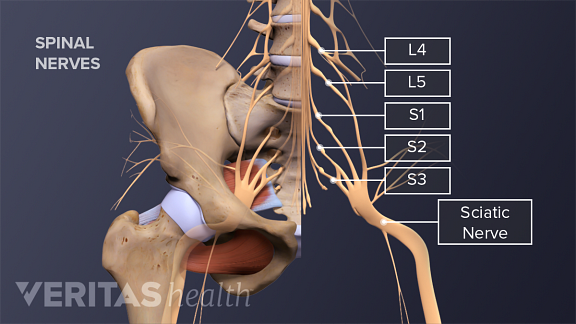
Sciatica is a pain centered in the iliococcygeal region of the body, specifically along the path of the sciatic nerve. This nerve travels along a person's lower back, through the hips, buttocks, and down the posterior leg. Whether sharp or dull, or a fast jolt or a long-burning problem, it is frequently exacerbated by long periods of sitting, and often only occurs on one side at a time.

Sciatica itself in fact describes the symptom that is that pain, rather than a specific condition.

Illustration of the sciatic nerve and nerve roots 

There are no given pre-conditions for sciatica, but it primarily occurs when the sciatic nerve becomes trapped, ultra-compressed, or pinched. Potential causes of this nerve entrapment include:

  • Sedentary lifestyle, especially if it includes sitting in one position for long periods

  • Long or frequent periods of work that require carrying heavy loads and over twisting the spine

  • Diabetes, due to increased risk of nerve damage

  • Herniated disk (aka ruptured intervertebral disk)

  • Bone spurs on the spine

  • Pelvic fracture injury

  • Spinal stenosis (narrowing of the spine)

In pregnant folk, heavy lifting should be avoided regardless, but recommendations will include to lie on the side opposite the pain, to avoid long periods spent standing, and to consider swimming as an exercise.

Massage and Sciatica:

Massage is extremely beneficial for those experiencing sciatica. Most commonly, the root cause involves muscles pinching the sciatic nerve; in these cases, the relaxation, tension relief, and increased blood flow and even range of motion and flexibility with the right techniques will relieve the pain for some time, if not alleviate the symptom altogether. Endorphin release as a direct result of general massage work also helps manage pain of all kinds, and will likewise provide relief. Swedish, deep tissue, neuromuscular, myofascial release, thai yoga massage, and hot stone massages are all viable techniques.

Massage is contraindicated for sciatica usually only dependent upon the originating root cause; in the case of a herniated disk, there may be regional contraindications. Refer to a doctor in such a case, or in the case of sciatica as symptom of any degenerative or other significant spine condition, or in the case of injury.


  ======

From a Western perspective:

Mild sciatica often goes away over time. If symptoms last more than a week, or becomes severe or debilitating, people will largely be advised to seek their doctor’s help; immediate attention should be sough in particular if the pain follows a violent injury, bowel control becomes difficult, or sudden severe pain in the low back or leg or muscle numbness occurs. 

Most often, for mild sciatica, self-care will be prescribed; this usually includes gentle stretches, care taken to be hydrated and to eat well, and recommendations to increase the level of gentle but regular exercise, particularly exercise that will work the legs and hips.

Acetaminophen may be recommended as a temporary pain relief when needed, in moderation.

In addition, more and more doctors and chiropractors alike will recommend massage for clients experiencing back pain, for not only relaxation and easement of pain, but to specifically help loosen the muscles that may be pinching the sciatic nerve and causing the pain.


 ======

From an Eastern perspective:

There is no referenceable, reliable first-hand information in research papers or otherwise about treating sciatica from the perspective of TCM (Traditional Chinese Medicine), but many accounts refer to the matters of Yin & Yang and the Five Elements for insight into what might be done for a person experiencing sciatica. It may be considered a Water (Kidney) or Wood (Liver) imbalance in the Five Element system.

If the pain is hot, inflamed, sharp, then that could indicate an excessive amount of Yang energy; to contrast, if the pain is cold, dull, aching, then that could signal Yin energy in excess. Methods to balance this energy out may then be recommended by a TCM practitioner, including but not limited to certain Qi Gong moves, meditation, or breathing exercise. There may also be reference to a blockage of qi, which might occur at the site of pain. This would also be followed up by methods of movement, breathing, acupuncture treatments, tui na treatments, or even certain herb formulas as appropriate.

Though in general TCM herb treatments come in groups and blends tailor made for the client, a few potential herbs that might be recommended include Du Huo (Angelica pubescentis), Du Zhong (Eucommia), and Dang Gui (Radix Angelica Sinensis).

  • Du Huo is reported to strengthen the Kidney (Water element) system, and to thus relieve achy back pain. [May cause uterine contractions; people should not take if possibly pregnant. May cause excessive skin sensitivity in sunlight if applied topically. May be anti-inflammatory, so user should beware any contraindications with current medications.]

  • Du Zhong is reported to generally strengthen and support the body, and generally clear inflammation and ease pain. [May contain toxic compounds or heavy metals. Highly advised against for those using diabetes medications, high blood pressure medications, anticoagulants, antiplatelets, or thrombolytics. Contraindicated in people diagnosed with estrogen-dependent cancers.]

  • Dang Gui, also known as “women’s herb”,  is reported to strongly assist in improving circulation and propagate nourishment of the blood. [Contains substances that are known to cause cancer. Also not recommended for those with Protein S deficiency. Should not be taken with blood clotting medications. Can prevent blood clotting.] 


======================

Sources:

https://www.mayoclinic.org/diseases-conditions/sciatica/symptoms-causes/syc-20377435?p=1

https://medlineplus.gov/sciatica.html

https://americanpregnancy.org/healthy-pregnancy/pregnancy-health-wellness/sciatic-nerve-pain-during-pregnancy-1006/

https://www.spine-health.com/conditions/sciatica/what-you-need-know-about-sciatica

https://www.sciatica-pain.org/traditional-chinese-medicine-for-sciatica.html

https://www.healthline.com/health/massage-for-sciatica  

https://bestchinesemedicines.com/collections/back-pain-sciatica/

https://medicinalherbals.net/dang-gui/

https://www.drugs.com/npp/du-zhong.html

https://www.verywellhealth.com/what-you-need-to-know-about-eucommia-88939

https://www.webmd.com/vitamins/ai/ingredientmono-281/angelica

https://www.meandqi.com/herb-database/pubescent-angelica-root

Saturday, October 24, 2020

Massage and Fatigue


The Merriam Webster Dictionary defines fatigue as “weariness or exhaustion from labor, exertion, or stress”.  The Mayo Clinic defines fatigues as “physical and/or mental exhaustion that can be triggered by stress, medication, overwork, or mental and physical illness or disease.

Western medicine recognizes that fatigue is not always related to an underlying condition. Exertion, sleep deprivation, heavy workout, stress, excess alcohol consumption, or boredom may also be causes.  Western medicine treats fatigue with a handful of pharmaceuticals.  Some of these are effective but possibly addictive, and some are not effective.   Traditional Chinese Medicine views fatigue as having a variety of causes.  These all include a deficiency:  deficiency in yang, deficiency in yin, deficiency in blood, or deficiency in qi.

Massage will help restore the balance between yin and yang and therefore can be helpful in all cases of fatigue regardless of cause.  Depending on the person, very light, almost energetic touch can be helpful relief.  Some people prefer a more vigorous approach.  Each therapist must gauge the approach to the individual. 

Very hot situations such as chemotherapy-caused fatigue must be treated with a light touch.  Lack of energy due to fibromyalgia or chronic fatigue syndrome may benefit from a more vigorous massage to bring out the qi.  Energetically stimulating the kidney qi can help with generic fatigue. 

Massage will restore the balance between yang and yin.  Returning the body to balance will eliminate fatigue.  Fatigue can be overwhelming, but massage is one of the many tools that can improve quality of life. 

Sources:

https://www.merriam-webster.com

https://www.mayoclinic.org/symptoms/fatigue/basics/definition

https://www.onemedical.com/blog/live-well/tcm-fatigue/

http://acupunctureinthepark.com/health-conditions/patterns-of-fatigue-in-chinese-medicine/

Oriental Healing Arts Center, Anchorage AK

Tuesday, September 15, 2020


ASD and Art: An Invitation to Massage Therapists

Shakti Gawain said: “Our bodies communicate clearly and specifically if we are willing to listen.”

Such is the case when we consider treatment options in bodywork: small changes in approach can yield great results when applied correctly, and opportunities to “listen” for when these changes are appropriate are discussed widely among practitioners.

Regardless of the methods applied, hours – perhaps more – have been spent prior to treatment inspired by the clients we serve in Alaska. The allure of emerald lakes and mountain rainbows can lead to sore back muscles. Late nights in the city and Northern Lights viewing can strain necks and shoulders. A long day at work can inspire the therapist to develop new strategies for stress relief.

Massage Therapy has proven to be a successful intervention with a wide array of health concerns. Autism Spectral Disorder offers the massage therapist a unique opportunity. With a myriad of resources available relating to this disorder, an additional resource can be explored through art. The primary purpose of this blog post is to draw you into the experience of autism on the “Art of Autism” website as an entry into this unique genre of expression. A nice perk is that art such as this may help guide the massage therapist to better understand this disorder when considering a treatment plan.

Quick Facts:

·       ASD effects social skills and the ability to communicate (Centers for Disease Control, 2020)

·       1:54 children are identified to have ASD in the US as of 2020 (Centers for Disease Control, 2020)

·       Diagnosis can be obtained early in life; testing of certain benchmarks is part of a standard pediatric care plan (Centers for Disease Control, 2020)

·       There is no universal “cure.” Pharmaceutical treatments exist. Certain care plans include the coordination of several providers (NIH, 2020)

·       ~ 5,500,000 American adults have been diagnosed with ASD (Centers for Disease Control, 2020)

·       Some people experiencing ASD find physical touch difficult.

·       Causes, treatments and social perceptions of ASD vary widely with audiences.

Care for young children experiencing ASD can include any of the following medical interventions:

·       Psychiatric

·       Occupational Health

·       Speech- Language Pathology

·       Primary Care Providers

·       Dietary Specialists

·       Caregivers/ Educators (NIH, 2020)

Most children experiencing ASD are not under this comprehensive of treatment, however. Coordinating with other providers may leverage their knowledge of your client. 

Adults experiencing ASD also have diverse interventions, but may struggle to lead productive, healthy lives. Education level, unemployment and a lack of social interaction make coordinating care a challenge.

Consider the Following Potential Benefits of MT:

·       Positive social interaction

·       Anxiety relief

·       Increased circulation

·       Supports further coordination with other providers

The massage therapist should be aware of the wonderful challenge presented by working with those experiencing ASD. While not contraindicated, MT can be very intense, and the massage therapist should have a plan in place keep the client safe. 

How does one go about understanding ASD?

"Western" perspective: ASD is a developmental disorder. Communication is fundamental to this disorder. Each case is unique. The transition from childhood to adulthood presents the most critical (typically) phase of intervention.

TCM: ASD does not exist by this clinical designation but is described under the name: “Syndrome of 5 delays”. Speech is one marker used in the diagnosis of this syndrome. (Science, 2020)

The massage therapist looking for new methods of understanding ASD will find that the autist community excels in this very task – new methods of understanding. Nowhere is this more evident than in the writing and painting of those on the “Art of Autism” website. Consider Patrick Jasper Lee on www.art-of-autism.com. Lee shares his experience and gives an account of ASD that is really fun to follow. I use his art to better understand autism and my role in caring for an ASD client.

The blog site “Art of Autism” is a collection of paintings, poems, books, and photos. Very few disorders have a “symbol” attached to it. The puzzle piece seems fitting here (where it may not be fitting elsewhere):  “solving the puzzle” seems impossible  - until the piece itself shows you where it fits. 


References

Art of Autism. (2020, June 26). Patrick Jasper Lee. Retrieved from https://the-art-of-autism.com/tag/patrick-jasper-lee/

Centers for Disease Control. (2020, June 26). Autism Spectrum Disorder. Retrieved from https://www.cdc.gov/ncbddd/autism/index.html

NIH. (2020, June 26). Autism Spectrum Disorder. Retrieved from https://www.nimh.nih.gov/health/topics/autism-spectrum-disorders-asd/index.shtml

Science, P. C. (2020, June 26). Traditional Chinese Medicine and Autism. Retrieved from https://www.pacificcollege.edu/news/blog/2014/10/17/traditional-chinese-medicine-and-autism

Trumpet Behavioral Health. (2020, June 26). Retrieved from https://tbh.com/blog/aba-therapy/the-importance-of-coordinated-autism-care/


Wednesday, July 1, 2020

Massage For Acute Torticollis


By Shannon Goolsby
Ever wake up with a kink in your neck or have a stiff neck that doesn’t seem to go away or keeps coming back? This could be acute Torticollis.

What is Acute Torticollis?
Torticollis is involuntary muscle spasms or contractions of the neck. The head will tilt or twists to one side, while the chin pulls down towards the shoulder on the opposite side. This typically affects not only the head and neck but can affect the shoulders and back.

Torticollis is often referred to as a stiff neck and often known as Wryneck, Twisted Neck or Loxia.  Other forms of Torticollis include Congenital, Spasmodic and Idiopathic.

Causes of acute Torticollis
·       Improper position of the neck
-          Sleeping wrong
·       Injury to the neck and head
-          Whiplash
·       Over use or tension of the neck muscles
·       Infections or abscesses in the head, neck, throat or upper airway
-          Ear or sinus infection
-          A cold

How long do symptoms last?
In cases of improper position or overuse, symptoms typically resolve within 1 to 2 days. From infections or injury, typically resolution will be within a couple of weeks.

Seek immediate medical attention if the following symptoms occur:
·       Trouble swallowing or breathing
·       Impaired speech
·       Pins and needles, numbness or weakness in the arms and legs
·       Difficulty walking
·       Fever, swollen glands or headache associated with torticollis
·       Mouth or tongue swelling

Western Medicine Approach
Western medicine primarily treats Torticollis through physical therapy and oral anti-inflammatory medications.   In more severe, resistant cases additional medications, botulinum toxin injections and surgery may be used.

Eastern Medicine/TCM Medicine Approach
TCM believe that Torticollis is a stagnation of the blood and Qi of the neck caused by an invasion of cold, wind and damp entering the channels supplying the neck area.

Acupuncture and Cupping of the Ashi and Empirical points with the use of Moxibustion are the treatment of choice in conjunction with Massage Therapy.

With Massage Therapy the SCM, Trapezius, Scalenes and Levator Scapula muscles are massaged and stretched for relief of pain and preventative for reoccurrence.  Contra-indications include:
·       Avoidance of full stretches to the SCM if the Vertebral Artery Test is positive or if the client gets dizzy with stretch
·       Avoidance of the Carotid Artery when treating the SCM
·       Massaging when the muscles are in spasm

References:
·       Vynehealth.com
·       Acupuncture.com
·       Theory.yinyanghouse.com
·       Spacecoast.edu/blog/managing-torticollis-with-massage-therapy.html
·       Massagetherapyreference.com
·       Emedicinehealth.com
·       Healthline.com
·       Mediscape.com
·       Medicalnewstoday.com